Flat Roof Systems Built for Midwest Winters
Commercial roofing in Burton for businesses facing freeze-thaw damage and membrane failures
DG Builders LLC installs TPO and EPDM flat roof membrane systems across Burton and Mid-Michigan, where extreme freeze-thaw cycles put constant stress on commercial roofing materials. Over 30 years of commercial roofing work has shown that flat roof membranes fail in this region primarily due to expansion and contraction cycles that exceed material tolerances, creating cracks that allow water infiltration during spring thaws. Businesses dealing with recurring leaks or visible membrane deterioration need installations designed specifically for the temperature swings that define Michigan's climate.
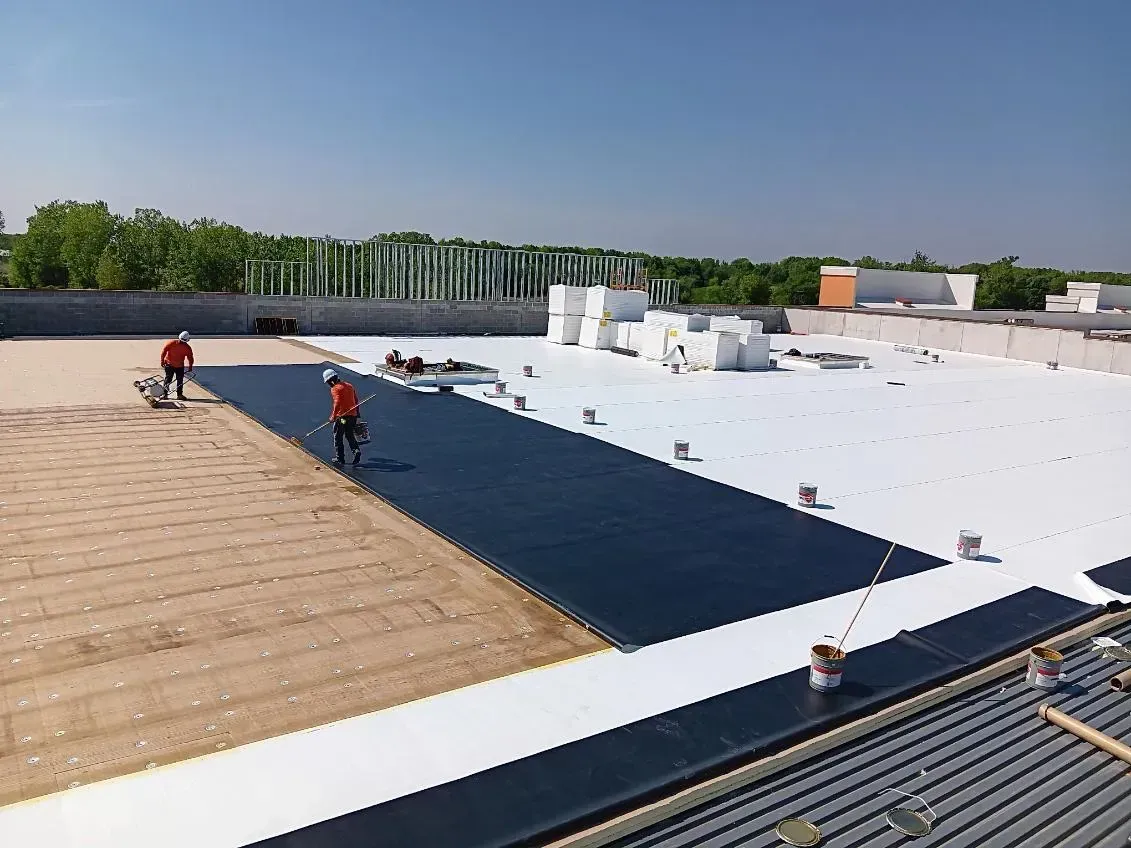
Flat roof installation involves removing failed membrane layers, inspecting the substrate for moisture damage or structural compromise, then applying single-ply TPO or EPDM membranes with seam welding that maintains integrity through thermal cycling. The installation method matters because improperly fastened or welded membranes separate during winter contraction, while inadequate drainage planning leads to ponding water that accelerates deterioration and adds structural load during freeze events.
Schedule an on-site roof evaluation to assess current membrane condition and identify specific failure points.
Why Commercial Flat Roofs Fail in Michigan
Membrane systems for commercial flat roofs must account for the fact that a single winter season in Mid-Michigan can subject roofing materials to temperature swings exceeding 100 degrees Fahrenheit from coldest night to warmest afternoon. TPO membranes are heat-welded at seams to create a monolithic barrier, while EPDM systems use adhesive or mechanical fastening depending on substrate type and building movement characteristics. Both systems require proper insulation layering and vapor barrier placement to prevent condensation within the roof assembly, which causes hidden damage that only becomes visible after structural elements have already deteriorated.
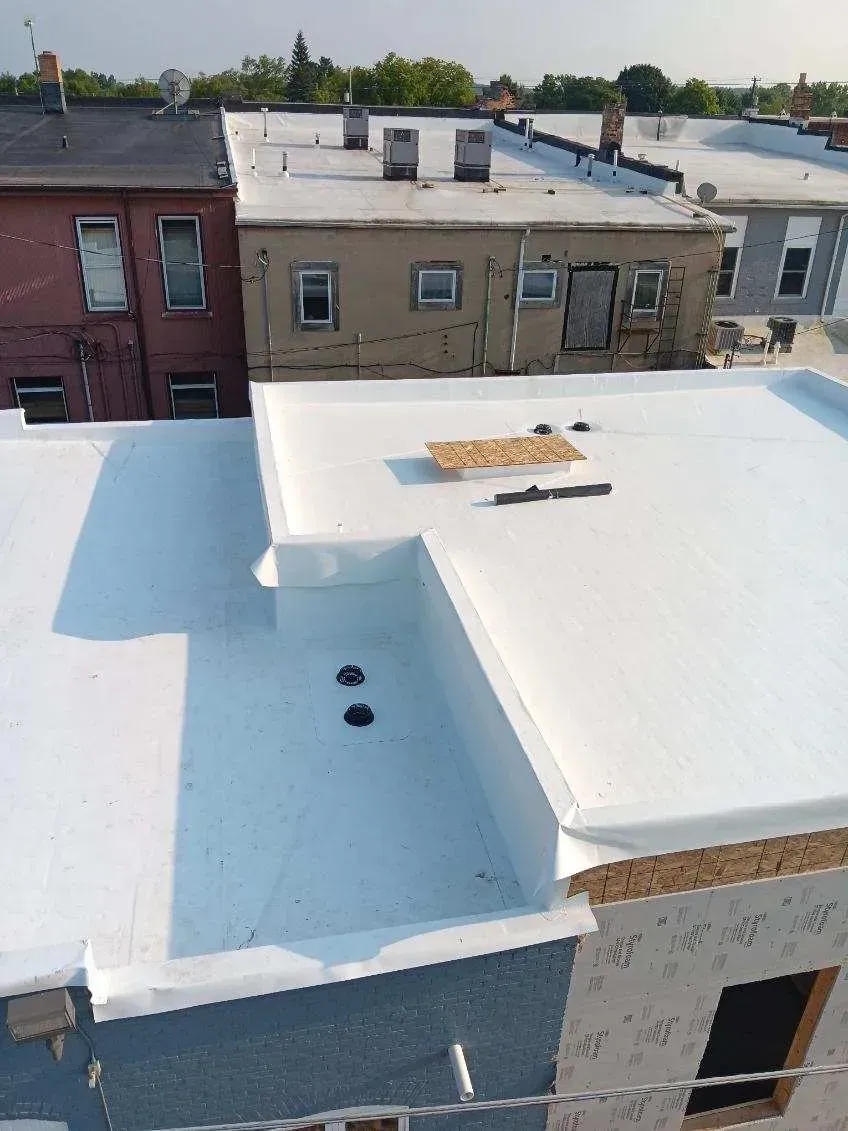
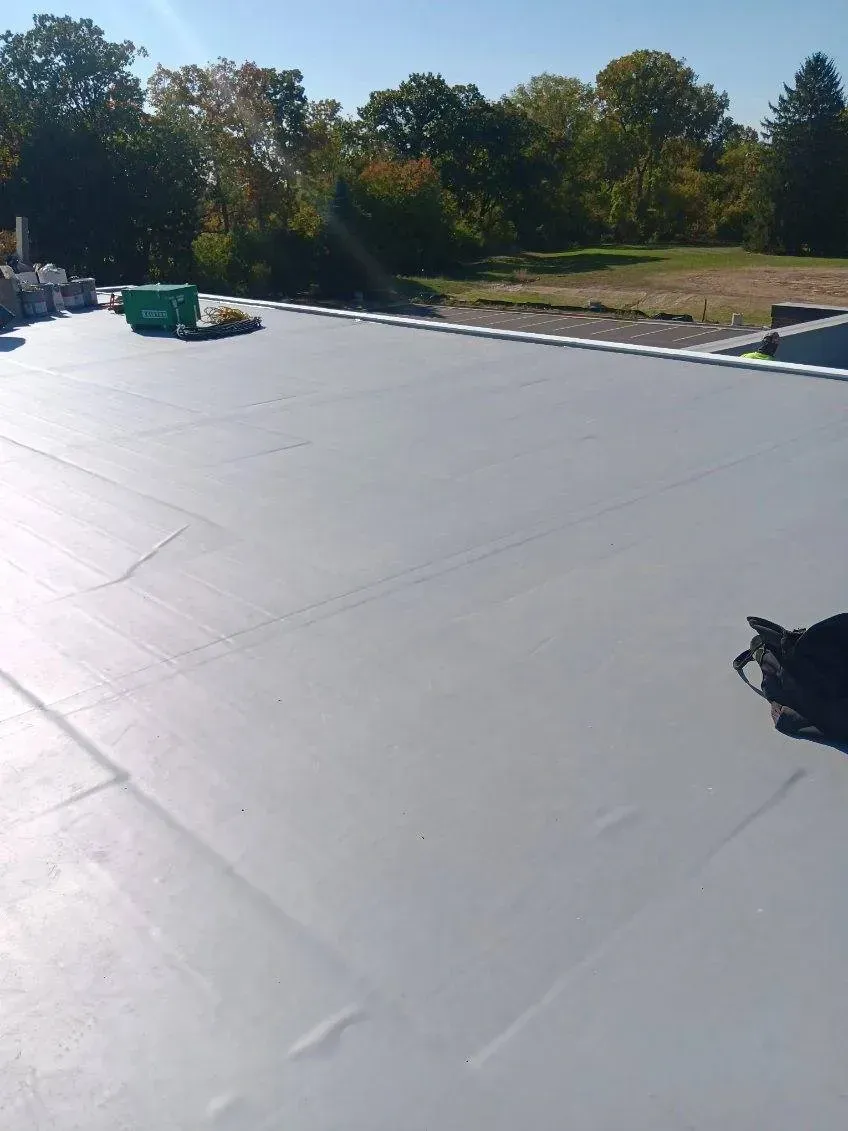
After installation, your commercial building has a roof surface that sheds water to perimeter drains without ponding, seams that remain bonded through seasonal expansion cycles, and a membrane that flexes rather than cracks when temperatures drop below freezing. You stop seeing interior ceiling stains, eliminate emergency leak calls during spring melt periods, and avoid the recurring maintenance costs that come from patch repairs on failing systems.
The choice between TPO and EPDM depends on your building's existing substrate condition, insulation requirements, and whether the roof deck experiences significant thermal movement. TPO offers higher reflectivity for buildings with cooling cost concerns, while EPDM provides superior puncture resistance in areas with rooftop equipment or high foot traffic from maintenance personnel.
What Business Owners Ask About Flat Roofing
Commercial property managers throughout Southeast Michigan often have similar concerns when facing flat roof replacement decisions.
What causes flat roof membranes to fail in Burton?
Freeze-thaw cycling creates expansion and contraction that exceeds the elastic limits of improperly installed or aged membrane materials, causing seam separation and surface cracking that allows water penetration during thaw periods.
How does TPO installation differ from EPDM application?
TPO seams are heat-welded using specialized equipment that creates a thermally bonded joint stronger than the membrane itself, while EPDM relies on adhesive bonding or mechanical fastening systems depending on substrate conditions and building requirements.
When should a commercial flat roof be replaced rather than repaired?
Replacement becomes necessary when membrane deterioration affects more than 30 percent of the roof surface, when substrate moisture testing reveals saturation in insulation layers, or when recurring leak locations indicate systemic drainage or installation failures rather than isolated damage.
What preparation happens before membrane installation begins?
The existing roof surface is inspected for structural integrity, failed layers are removed to expose sound substrate, moisture levels are tested to identify saturated insulation that must be replaced, and drainage pathways are verified to prevent ponding on the new membrane surface.
How long does a properly installed commercial membrane system last?
TPO and EPDM systems installed with proper seam welding and adequate insulation typically provide 20 to 30 years of service in Michigan climates when drainage is maintained and the membrane surface is kept clear of debris that traps moisture against the material.
DG Builders LLC brings three decades of commercial roofing installation to businesses across Oakland, Lapeer, and Genesee counties dealing with flat roof challenges. Request a detailed estimate based on your current roof condition and building requirements.
Our Work
Commercial Roofing Projects
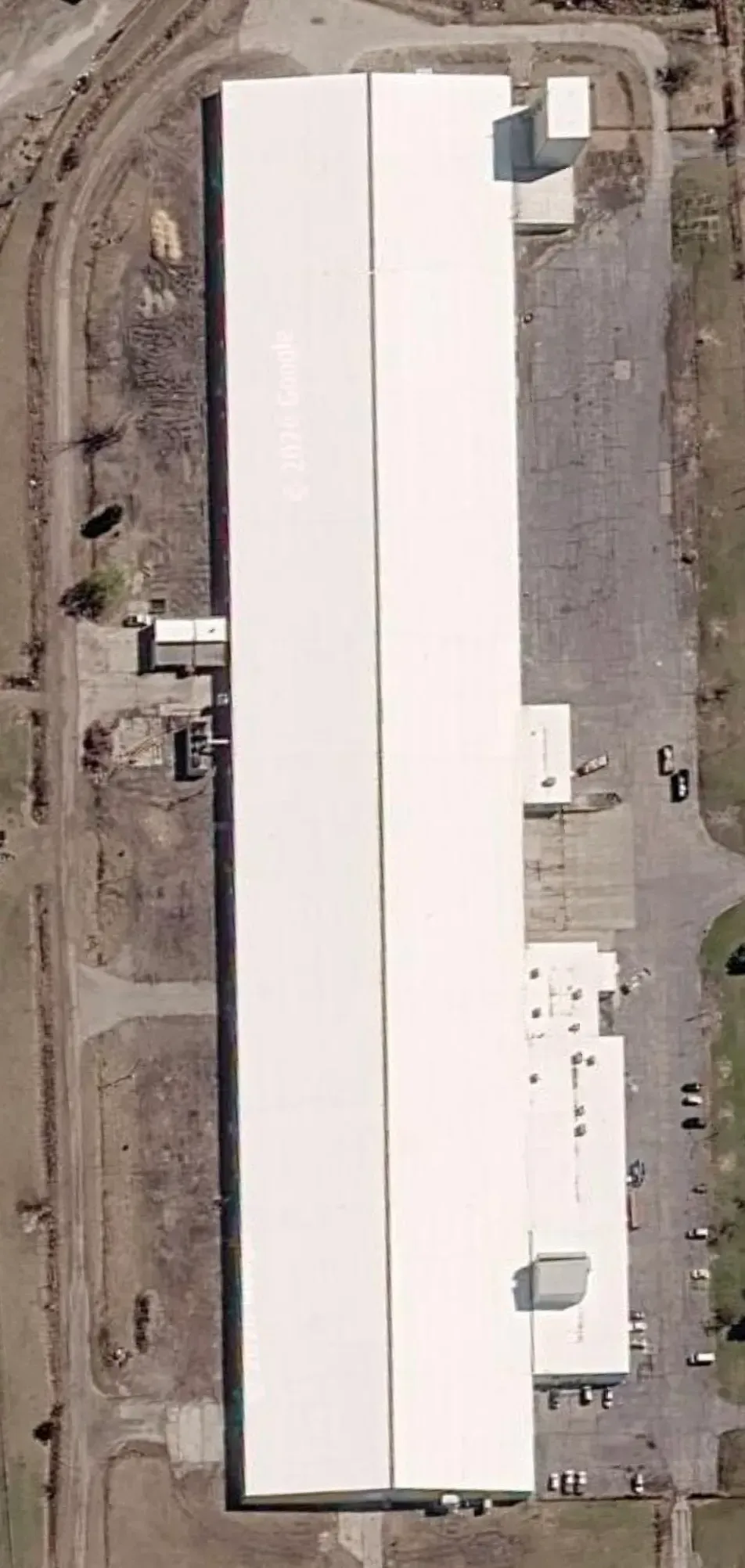
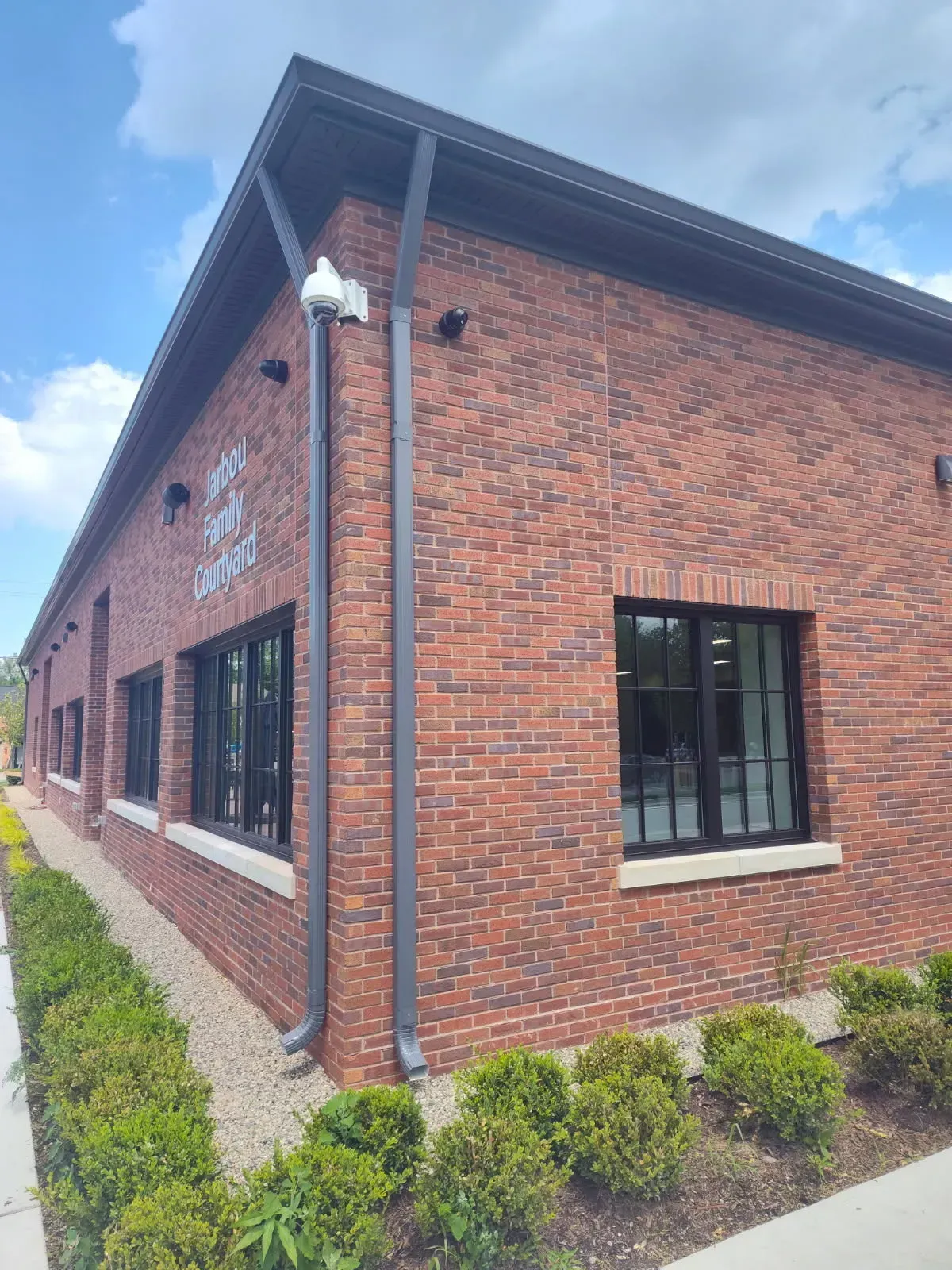
A sample of the commercial roofing work we've completed for businesses and institutions across Michigan.