Roofs That Handle Michigan Storm Seasons
Residential roofing in Flint for homes damaged by ice dams, wind-blown shingles, and winter stress
Ice dams form along roof edges when heat loss through inadequate attic insulation melts snow on upper roof sections, sending water down to freeze again at colder eaves and creating ice barriers that force meltwater under shingles. DG Builders LLC handles complete roof installation and repair work throughout Flint and Mid-Michigan, where spring storms and harsh winters create constant stress on residential roofing systems. When you see missing shingles after high winds, interior ceiling stains appearing during thaw periods, or visible granule loss on aging asphalt surfaces, the roof system has reached the point where repairs no longer address the underlying deterioration.
Complete roof installation removes failed materials down to the decking, allows inspection for moisture damage or structural issues, then rebuilds the system with underlayment barriers and properly rated shingles for Michigan weather exposure. The installation sequence matters because improperly installed underlayment allows wind-driven rain to penetrate, while inadequate ventilation planning creates heat buildup that shortens shingle lifespan and accelerates ice dam formation during winter months.
Arrange a property inspection to identify specific roof damage and determine whether repair or replacement addresses your situation most effectively.
What Proper Installation Prevents Long-Term
Residential roof work involves more than shingle application—the underlayment layer provides the actual water barrier, while shingles protect that barrier from UV exposure and physical damage. Licensed installation includes ice and water shield placement along eaves and valleys where ice dam damage concentrates, synthetic underlayment across the entire roof deck for tear resistance during installation and long-term durability, and ridge venting systems that balance attic airflow to prevent heat buildup that accelerates material aging.
Once installation is complete, your home has a roof that sheds water to gutters without backup, attic ventilation that prevents ice dam formation along eaves, and shingle coverage rated for Michigan's wind exposure zones. You no longer see interior water stains during spring melt periods, avoid emergency tarp calls after storm events, and stop losing shingles to wind because proper fastening techniques anchor each shingle against uplift forces.
Material selection affects performance in specific ways—architectural shingles provide better wind resistance than three-tab styles due to their weight and layered construction, while impact-rated products resist hail damage in areas prone to severe thunderstorms. Attic ventilation requirements depend on roof pitch, insulation levels, and whether the home has cathedral ceilings or accessible attic space for airflow balancing.
Questions Homeowners Usually Ask
Residential property owners across Southeast Michigan typically want to understand the roof replacement process before committing to major work.
What causes ice dams on Michigan roofs?
Heat loss through inadequate attic insulation melts snow on upper roof sections, creating runoff that refreezes at colder eaves and forms ice barriers that force meltwater under shingles and into interior spaces.
How does underlayment protect the roof deck?
Synthetic underlayment creates the primary water barrier across the entire deck surface, preventing moisture penetration even if shingles are damaged or missing, while ice and water shield along eaves stops capillary action that pulls meltwater under shingle edges in ice dam zones.
When should a residential roof be replaced rather than repaired?
Replacement becomes necessary when shingle deterioration affects multiple roof planes, when decking shows moisture damage or structural deflection, or when the existing system has reached 20 years of age and displays widespread granule loss that exposes the underlying asphalt layer.
What happens during the installation process?
The existing roof is removed down to the deck, decking is inspected and repaired where moisture has caused deterioration, underlayment and ice barrier are installed following manufacturer specifications, then shingles are applied with fastening patterns designed for Michigan wind exposure requirements.
How long does a properly installed residential roof last in Flint?
Architectural shingles installed over proper underlayment with adequate attic ventilation typically provide 25 to 30 years of service when maintained and cleared of debris that traps moisture against the surface.
DG Builders LLC maintains full licensing and insurance protection while providing the same installation standards for residential projects as for commercial work across the region. Contact us for a detailed assessment of your roof condition and a breakdown of what replacement involves for your specific home.
Our Work
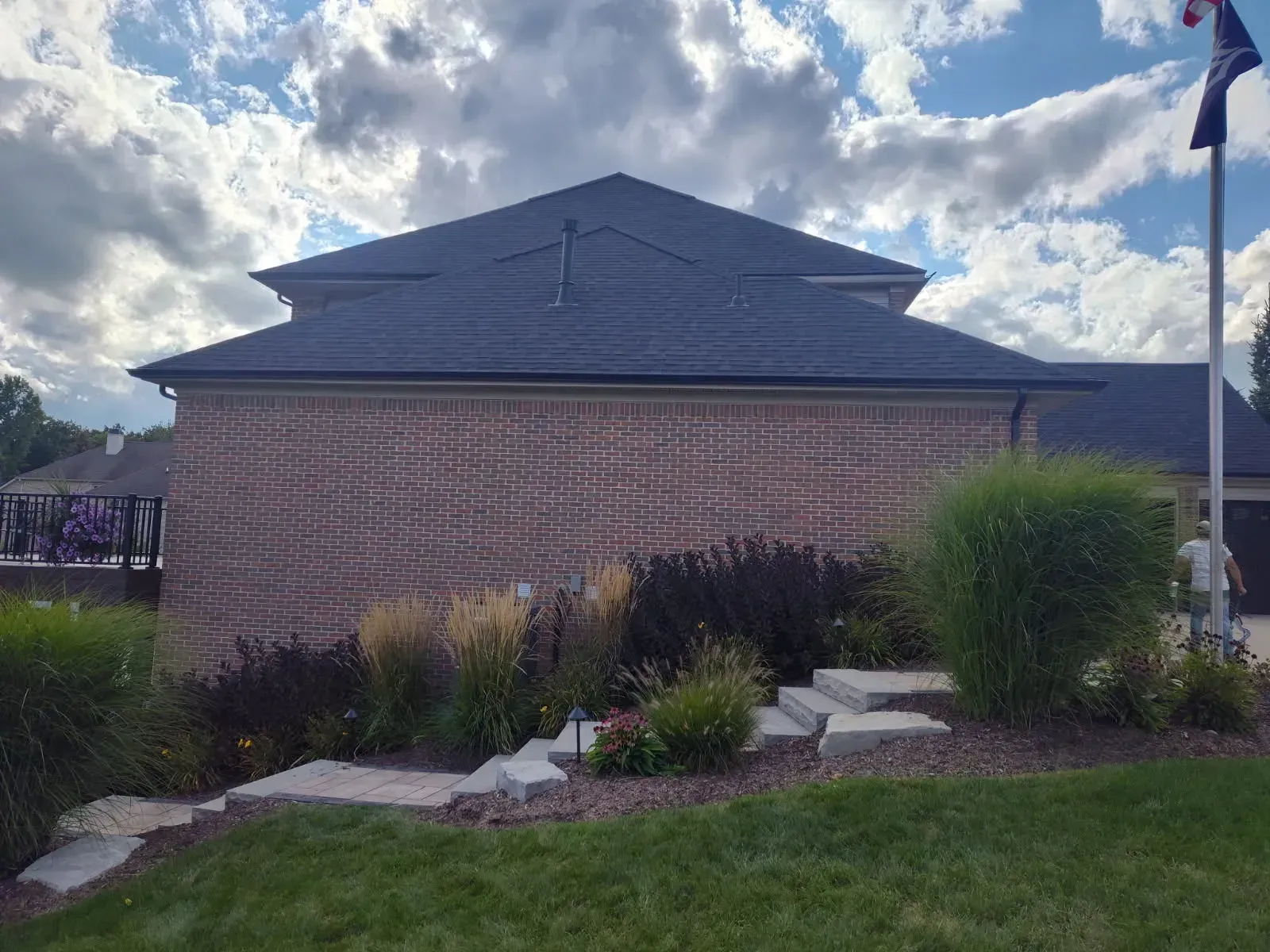
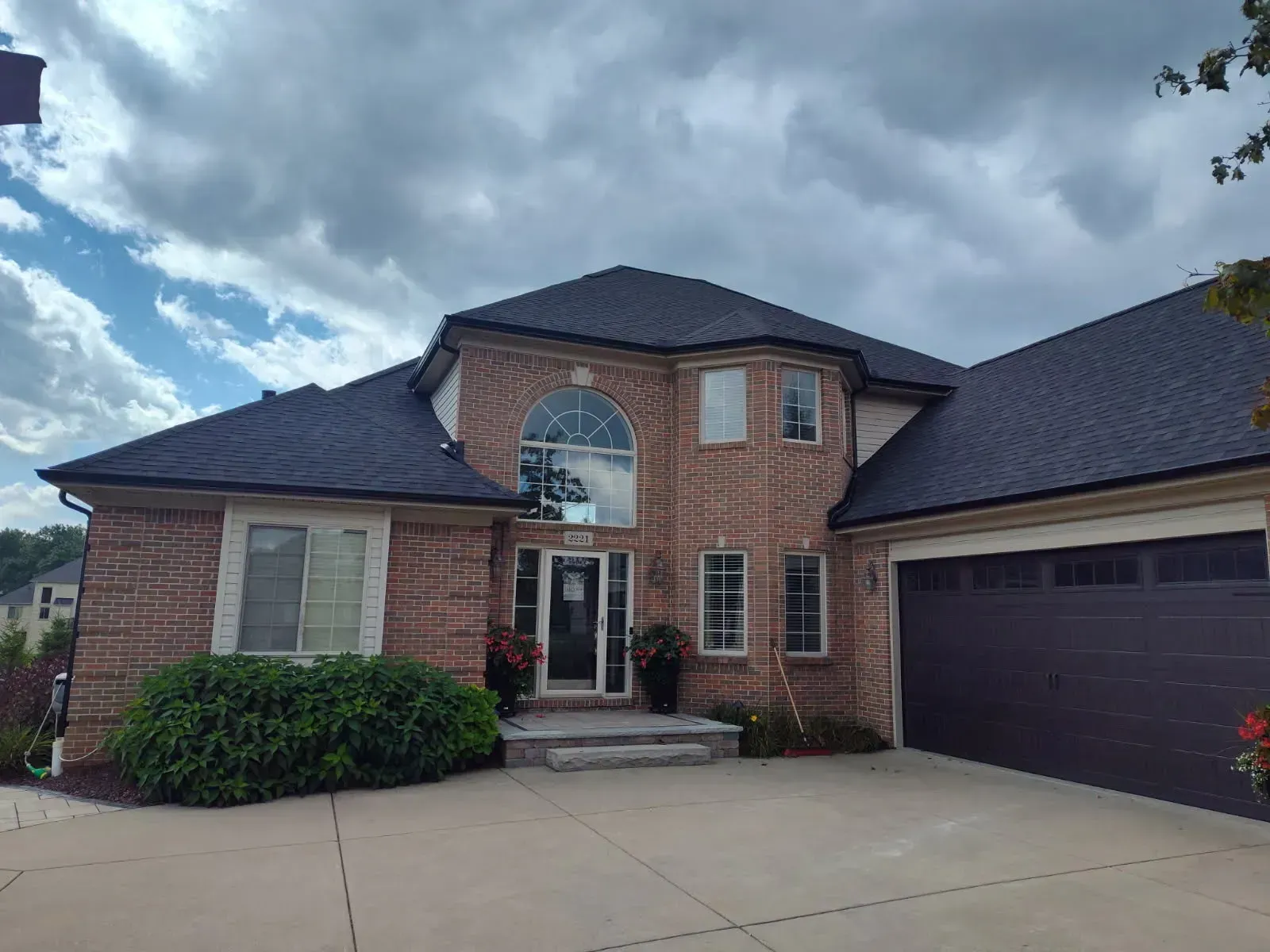
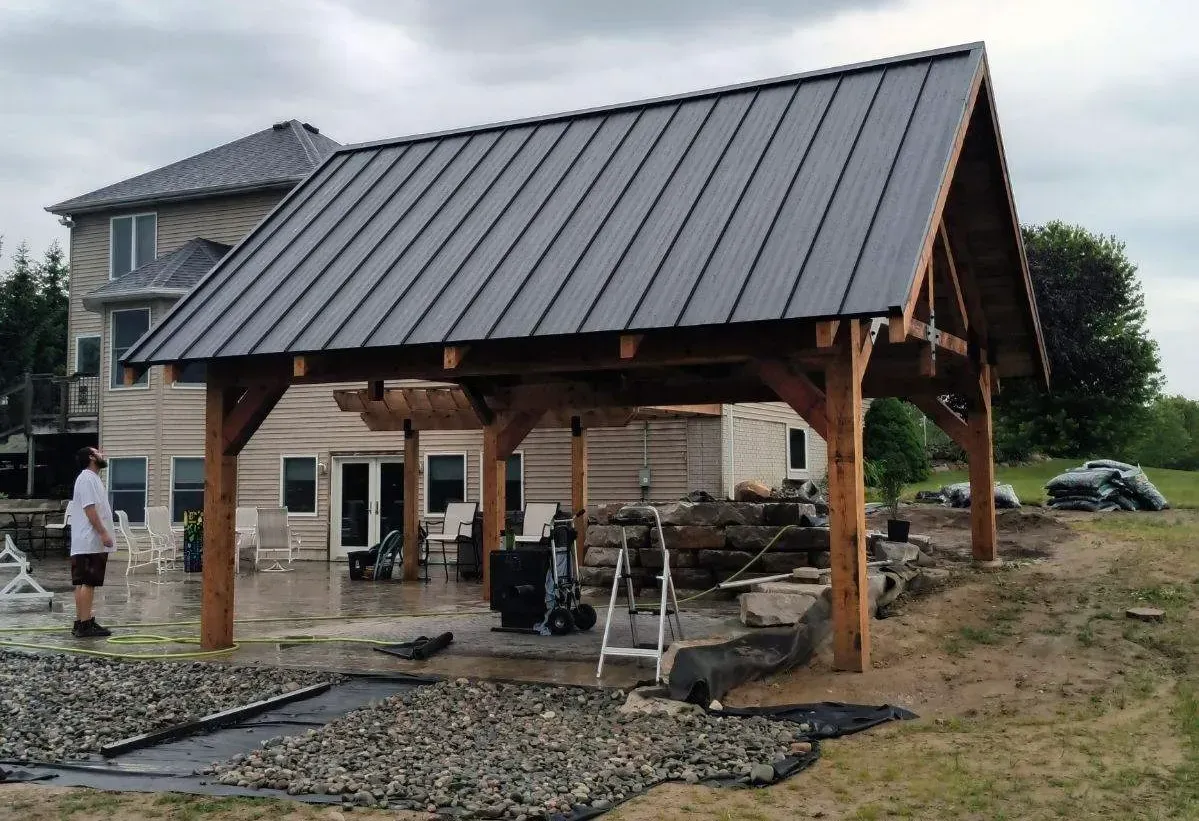
Residential Roofing Projects
Quality roofing installations on homes across Southeast Michigan.